3 Things JAA Takes Away from the New Season of Ted Lasso
Three years after Season 3 seemed to close the book for good, Apple has brought Ted Lasso back to our CTV screens. Jason Sudeikis reprises the role that turned a moustachioed American football coach into the unlikeliest folk hero on British telly, this time coaching Richmond’s second-division women’s side, a club nobody expects much from, in a league nobody’s watching closely – yet.
I’ll admit it: I’ve loved watching the red carpets and Hannah Waddingham’s incredible outfits as we’ve anticipated the new series and all the social reshares of possibly the greatest scene in Lasso history, or even TV:
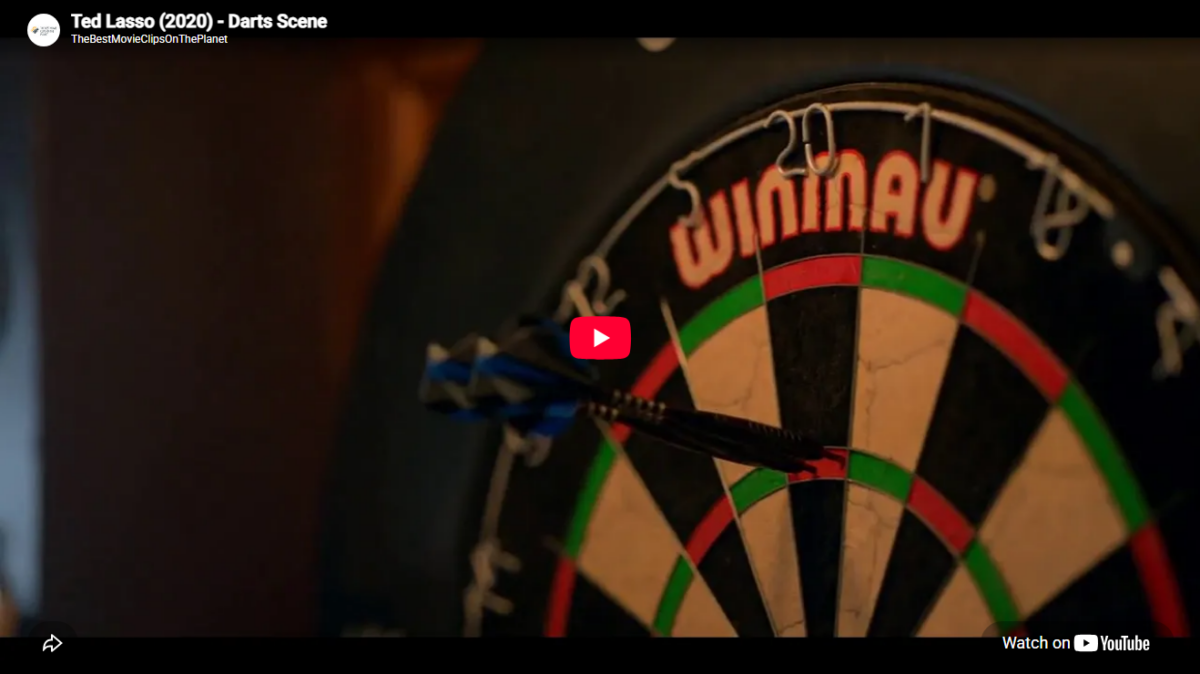
But Lasso is just a bit of me, from the stuck up “Believe” sign to “Football is Life” and this series “Here if you need” (taking a bit of netball lingo on to the women’s training ground). As someone who spends my working life at an independent media agency built on backing underestimated brands, Ted’s return feels less like a nostalgia play and more like a timely reminder of why the underdog story works. Two episodes into the new series and here are my 3 things TL teaches us:
1. Beware the routinely underestimated
So, Ted isn’t returning to defend a title or protect a legacy. He’s starting again, from a position of low expectation, with a team the football world has largely overlooked. I’d argue that the production took too long as women’s football IRL is on the rise, commercially as well as with the fans. However, it’s still an underdog story in its purest form.
What makes Ted dangerous, in the best sense, is that he never plays by the assumed rules of elite football, or management for that matter. He doesn’t out-spend anyone or out-credential anyone. He builds psychological safety instead of hierarchy, asks disarmingly simple questions instead of performing expertise, and treats the role seriously enough to find solutions nobody else bothered looking for. I’m only two episodes in but his emotional intelligence to find the real cause of Coach Chilton’s icy front has already hooked me in.
Chilton is genuinely rigorous, Ted is uncoolly unconventional and Keely determined beyond belief to make the women’s team work.

The routinely underestimated think differently, and difference is exactly what gets missed by anyone assuming old rules still apply. It’s a truth we live by at JAA. Brands with the most interesting stories to tell are rarely the ones with the biggest budgets. They’re the ones with something to prove and nothing to lose by doing it differently.
2. Take Calculated Risks
Doing things differently isn’t always easy. It requires calculated risks with an element of backing your belief. The series kicks off with Ted, at home in Kansas City, asking his wife and son whether they’d be willing to uproot their lives and move back to the UK with him. It’s a huge ask, he weighs it-up, doubts it, confers with his mother (more on that in bullet 3) and asks anyway, because staying safe and wondering “what if” is its own kind of cost.
Rebecca is rattled by a question about whether she’s ever truly backed women in football, she and Higgins go against every piece of the advisor’s dossier to commit to real investment to the women’s squad; not as a gesture, but as a bet they’re prepared to defend. (Well I hope so as it’ll be a short series if not!)
Neither decision is reckless, and neither is timid. Both are made with full knowledge of what’s at stake, which is precisely what calculated risk means. That’s a conversation we have with clients constantly at JAA. Every brand is weighing the same trade-off; play it safe or take a considered risk with investing in their brand with media planning & buying.
Our job isn’t to tell clients to be braver for bravery’s sake. It’s to stress-test the risk properly; through media mix, channel diversification, creative executions etc. So that when they do commit, it’s a calculated leap rather than a blind one.
3. Intergenerational relationships matter
My favourite relationship is Rebecca and Keeley, picking up their friendship without missing a beat. It says something about mentorship that outlasts hierarchy. It’s the kind of relationship that doesn’t need a reporting line to shape how someone leads and learns. Both from each other.

The impactful scenes this season are the ones between generations. Ted and his mum at the yard sale; Rebecca and her mum eating on Richmond River – sometimes wisdom and truth comes from those closest to you. Rebecca doesn’t get her clarity from a board meeting or a stack of feminist literature ordered in a panic. She gets it from her mum, cutting through the noise with the blunt honesty only family can get away with and, crucially, confirming that Rebecca has become someone different from her, not despite their bond but through it.
There’s a lesson in there for how we work too. A second opinion from someone who isn’t managing your ego, who has no stake in telling you what you want to hear, can cut through strategic noise faster than any amount of external counsel. JAA is proudly a family business, with John’s founding vision still shaping how we operate.
So I’m a Ted Lasso fan. Wednesday commutes will be full of my chuckling on the tube and hoping for Roy and Keely to get back together.